
Get a taste of nature's sweetness with our honey
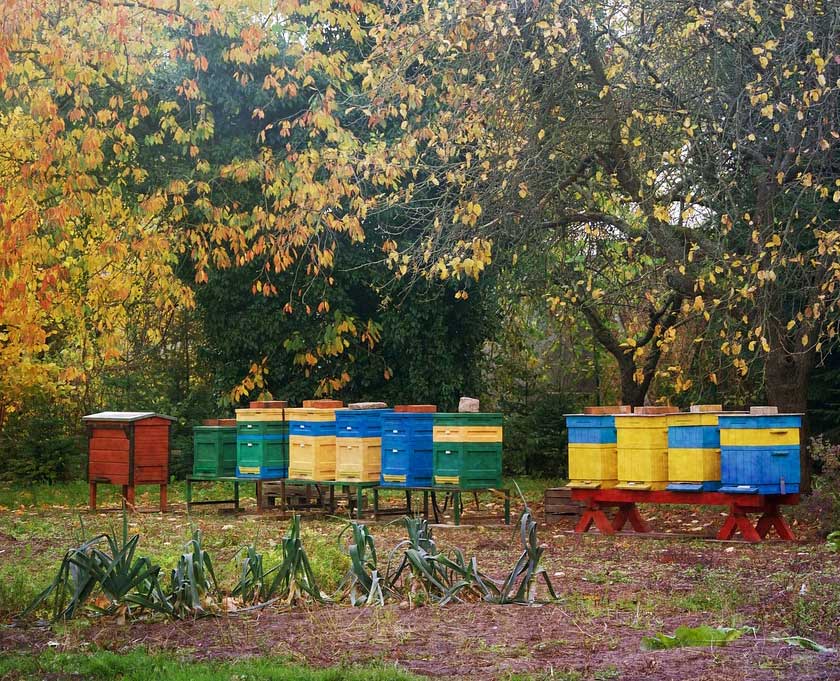
The Benefits of Starting a Beehive in Your Backyard: A Comprehensive Guide

Beekeeping has become increasingly popular in recent years, as more people recognize the many benefits of starting a beehive in their backyard. From the opportunity to harvest your own honey, to the chance to pollinate your garden and crops, beekeeping can be a rewarding and fulfilling hobby. In this article, we will provide a comprehensive guide to starting a beehive in your backyard, including what equipment and supplies are needed, and tips on how to properly care for the hive.

Getting Started

Before you begin, it’s important to check your local laws and regulations around beekeeping. Some cities and municipalities have restrictions on the number of hives you can keep, while others require you to register your hive with local authorities. Once you’ve done your research and determined that beekeeping is allowed in your area, it’s time to start gathering the necessary equipment.

Equipment and Supplies

To start a beehive, you will need the following equipment and supplies:

  1. A hive: The hive is the box or structure where the bees will live. There are several different types of hives to choose from, including Langstroth, Top Bar, and Warre hives. Langstroth hives are the most common, and are recommended for beginners.
  2. Frames: Frames are wooden or plastic structures that fit inside the hive, and hold the beeswax comb. They come in different sizes depending on the type of hive you choose.
  3. Bees: You will need to purchase a colony of bees to start your hive. You can order bees online or from a local beekeeper.
  4. Protective gear: Beekeeping can be dangerous, so it’s important to wear protective gear when working with your hive. A beekeeper’s suit, gloves, and veil are essential.
  5. Smoker: A smoker is used to calm the bees during hive inspections.
  6. Hive tool: A hive tool is used to pry open the hive and remove frames.

Caring for Your Hive

Once you have all of the necessary equipment and supplies, it’s time to start caring for your hive. Here are some tips for keeping your bees healthy and happy:

  1. Check on your hive regularly: It’s important to check on your hive every week or two to make sure everything is running smoothly. Look for signs of disease or pests, and make sure the queen is laying eggs.
  2. Feed your bees: During times of drought or low nectar flow, you may need to supplement your bees’ diet with sugar water or pollen patties.
  3. Protect your bees from pests: Hive beetles and mites can be a problem for bees, so it’s important to take steps to protect your hive from these pests.
  4. Harvest honey carefully: When it’s time to harvest honey, make sure to do so carefully and without harming the bees. Use a honey extractor to remove honey from the frames, and make sure to leave enough honey in the hive for the bees to feed on during the winter.

Conclusion

Starting a beehive in your backyard can be a rewarding and fulfilling hobby. From harvesting your own honey, to helping to pollinate your garden and crops, beekeeping has many benefits. By following the tips and guidelines outlined in this article, you can start your own beehive and care for your bees properly. Remember to always be cautious when working with your hive, and to check your local laws and regulations before starting your beekeeping adventure.

Leave a Reply

Your email address will not be published. Required fields are marked *