
Get a taste of nature's sweetness with our honey
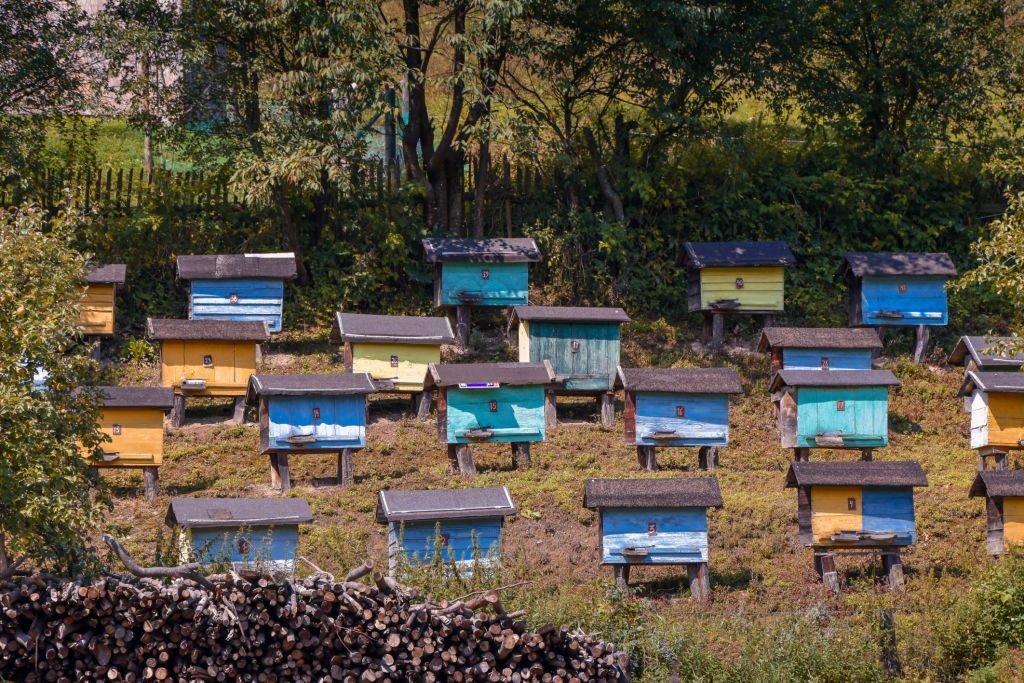
Honey bees play a critical role in agriculture, contributing to the pollination of over 90 crops in the United States alone. Without honey bees, many of our favorite foods like almonds, apples, and blueberries would be significantly impacted. In this article, we will explore the importance of honey bees for agriculture and the potential consequences of their decline.
Pollination
Honey bees are one of the most effective pollinators in agriculture, with their role estimated to contribute over $15 billion annually to the U.S. economy. Pollination is essential for plant reproduction and fruit and seed production, which in turn support many animals and humans. Without honey bees, many crops would not produce the quantity or quality of fruits and vegetables that we depend on for food.
Decline in Honey Bee Populations
Unfortunately, honey bee populations have been declining in recent years, with factors such as habitat loss, pesticide use, and diseases and pests contributing to their decline. This decline has led to concerns about the sustainability of agriculture and the future availability of certain foods. In fact, some crops like almonds are so dependent on honey bee pollination that their decline could have a significant impact on the industry.
Protecting Honey Bees
There are several steps that we can take to protect honey bees and support their role in agriculture. One important step is to reduce the use of harmful pesticides and opt for natural pest control methods. Planting a variety of flowering plants and providing access to water can also help to support honey bee populations. Additionally, supporting local beekeepers and purchasing honey from sustainable sources can provide financial support for honey bee conservation efforts.
Conclusion
Honey bees are essential for agriculture, playing a critical role in pollination and supporting the production of many of our favorite foods. The decline in honey bee populations is a concerning trend, and we must take action to protect and support these important pollinators. By reducing the use of harmful pesticides, planting a variety of flowering plants, and supporting local beekeepers, we can work towards a healthier ecosystem and a more sustainable agricultural industry.